

Innovation in homelessness prevention
A new model connecting people facing homelessness with crucial housing support at an unexpected touchpoint: self-storage sites.
USC Launched 2023
Share this page


Impact
Our pilot program connected people to urgent help—quietly, respectfully, and effectively—providing reliable support resources in a place where many people are at risk of homelessness. With strong early results, we’re creating a new strategy for cities to reach people in crisis before they fall through the cracks.
43 % of employees felt more confident assisting customers facing issues like housing instability as a result of the pilot.
Challenge
Between 2020 and 2023, homelessness in Arizona rose 23%—even as billions in aid went unused nationwide because people didn’t know how to access it. To keep more residents housed, we set out to reach those most at risk before they lost their homes. Our research found a promising touchpoint: one in four self-storage customers were experiencing major life disruptions, and one in ten faced housing instability.
Our plan
In 2024, we launched a pilot program in Phoenix with the Arizona Self-Storage Association (AZSA) to make housing resources available at 10 self-storage sites. We gave staff tools like flyers for financial aid and supportive housing so they could help at-risk customers—creating a simple, scalable outreach model that turned AZ’s storage network into a new line of defense against homelessness.
Project Goals
Make it easier to get housing support
We’re testing a new approach to connect people facing homelessness with support faster—before they lose their housing.
Bring the model to L.A.
Phoenix showed that this pilot can work. Now we’re implementing it in Los Angeles—the epicenter of the nation’s homelessness crisis.
Expand this approach nationwide
Once refined, we’ll share our findings with self-storage facilities across the country so they can help more people stay housed.
Approach
Combining behavioral scientists from USC and an unconventional industry partnership, we introduced unintrusive, high-impact resource materials in self-storage facilities – posters, flyers, and more – that linked to reliable resources vetted by our partners on the ground.

Qualitative interviews

Behavioral Science

Focus groups

Technology development
What Pilot Participants Had to Say
“Mentally and emotionally it’s hard… To see other people struggling and not be able to help them. I was very happy to give our customers an option for help.”
“To me, it’s the fact that we could help somebody when they needed it. That’s a good outlook upon our company if we’re able to do that.”
Recent Updates

Food insecurity remains high in L.A. County, but who it affects is changing
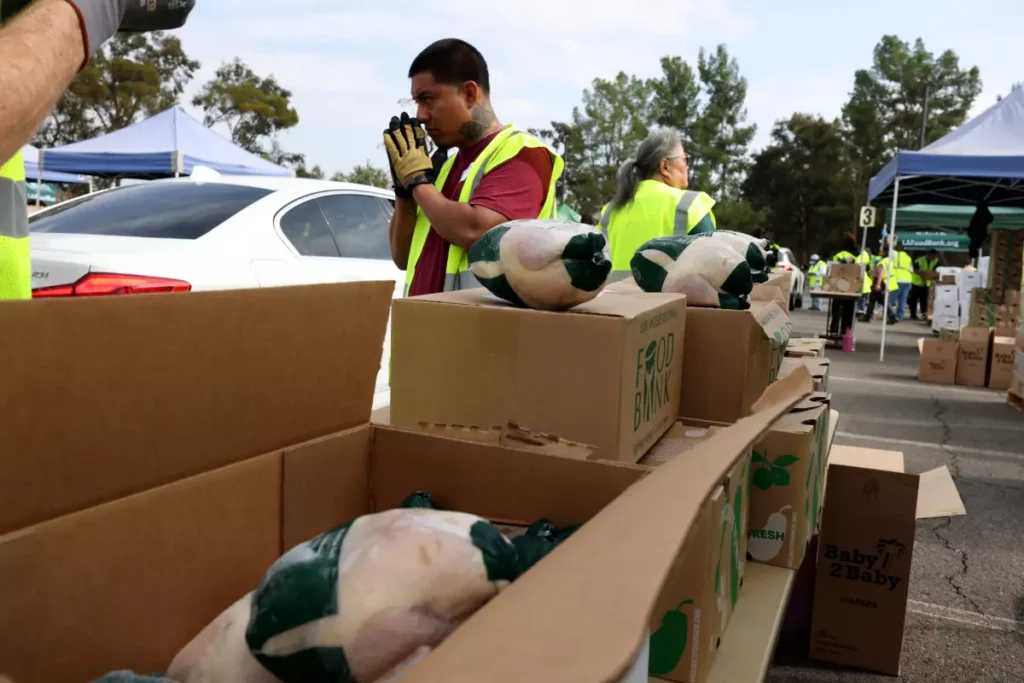
The federal SNAP-funding mess has made L.A.’s food-insecurity crisis clearer than ever
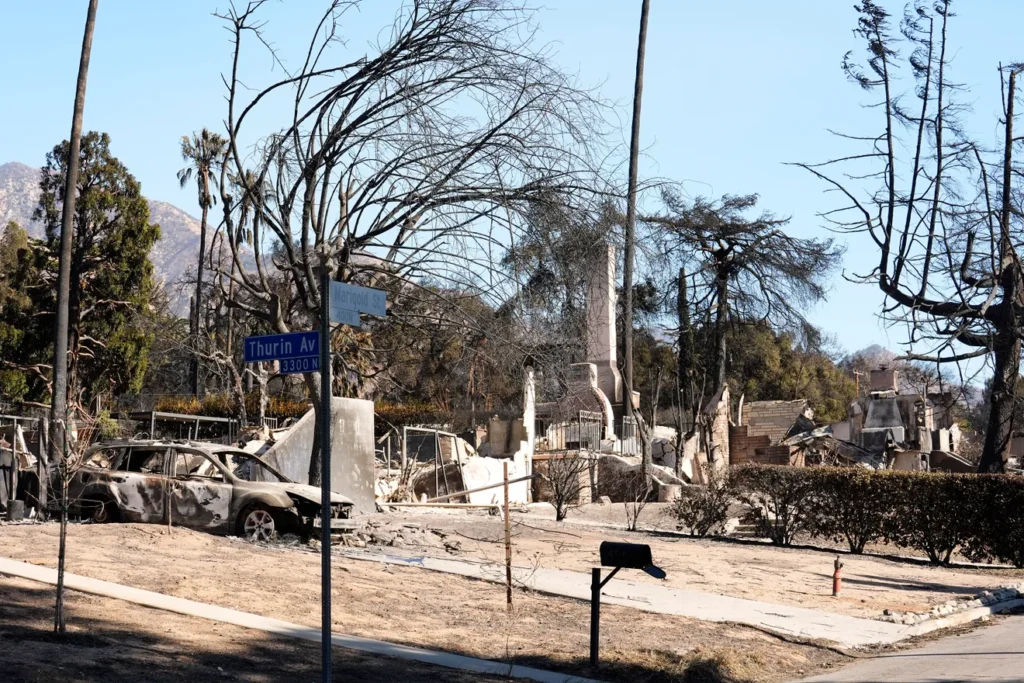
Homeowners trying to rebuild after Altadena’s Eaton Fire face concerns over lead levels in soil
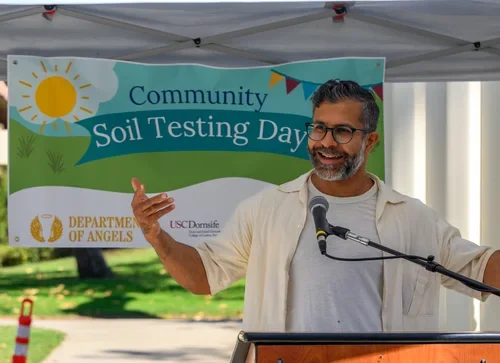
Community Comes Together for Access to Free Lead Soil Testing
Related Projects

- USC
Decreasing healthcare worker burnout
Creating a new support system to improve well-being for some of society’s most critical people: clinicians and caregivers.

- USC
Supporting full-time caregivers
Building support networks and providing effective resources for those caring for loved ones suffering from Alzheimer’s and dementia through the CARE pilot program.

- USC
Keeping surgeons sharp
Helping surgeons take better care of themselves and their patients with the PEAK Collaborative—a pilot program helping healthcare providers perform at their best.