
Testing L.A.’s oceans and rivers after the 2025 wildfires
Measuring water quality post-wildfires to understand potential health and environmental risks.
USC Launched 2025
Share this page

Impact
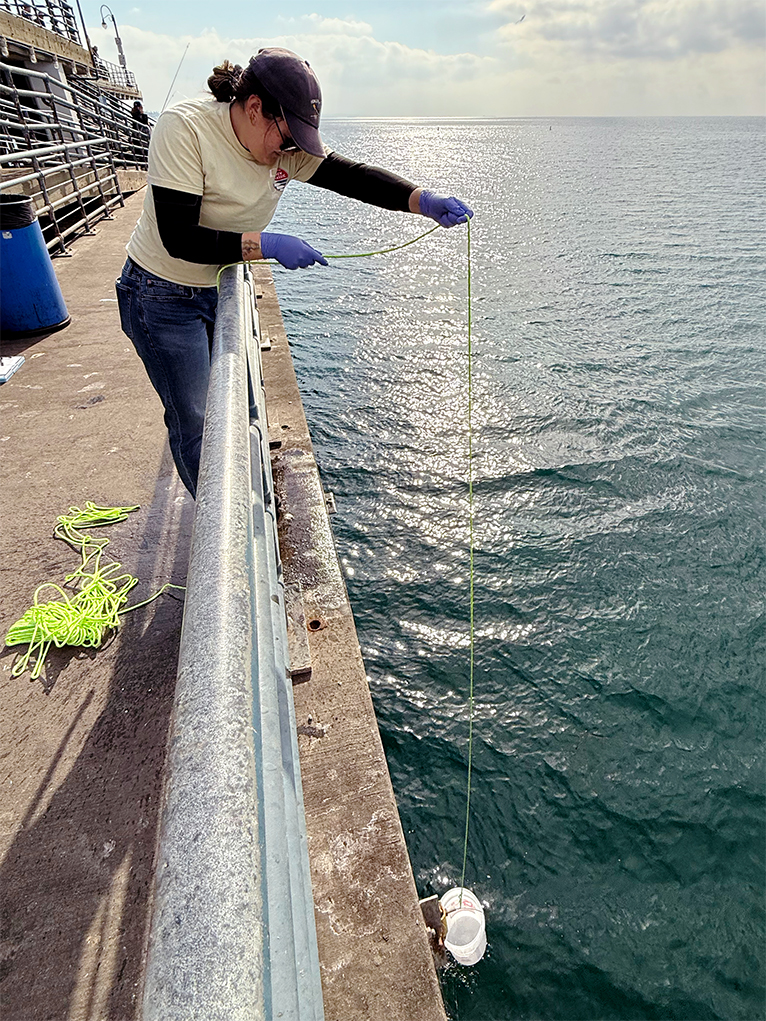
CLEAN Waters offers a snapshot of how contamination moved through city waterways following L.A.’s 2025 wildfires — turning complex data into practical insight. This new project helps fishermen, swimmers, aquatic athletes, and beachgoers understand when to avoid local rivers and coastlines, and when it’s safe to return to the water. Beyond the immediate impacts of the fires, CLEAN Waters also reveals the broader types of contamination present in our waterways and how they can impact us — and ecosystem health.
Challenge
After major wildfires, contaminants can move from burned landscapes into rivers, streams, and coastal waters — raising concerns about public health, marine ecosystems, and beach safety. Understanding whether contamination is truly fire-related, or part of normal seasonal changes, is essential for guiding recovery and protecting communities.
Our plan
We designed CLEAN Waters to understand how the January wildfires impacted Los Angeles’ water systems and assess risk quickly, systematically, and transparently.
Project Goals
Assess risks at beaches
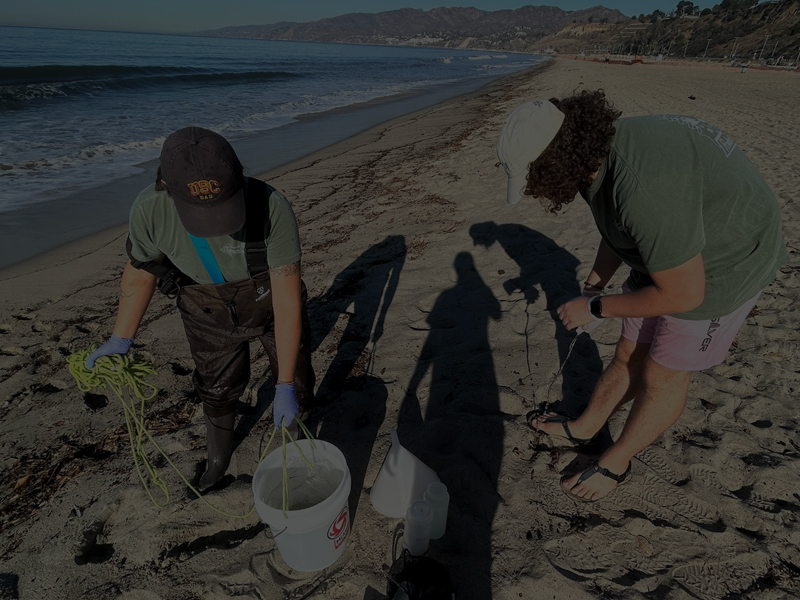
We’re measuring metals, nutrients, and chemicals at 32 L.A. beaches to track fire-related health and environmental hazards.
Isolate fire impacts
We’re evaluating whether the identified risks are due to the fires or to normal environmental changes.
Identify contaminant sources
We’re following pollutants as they move from burn zones to inland waters and out to the ocean, so we can inform cleanup strategies.
Tools we used
By collecting hundreds of water samples from coastal beaches and inland bodies of water, we’re deepening our understanding of how contaminants spread throughout L.A. when it rains. This ongoing tracking provides actionable data to protect public health, safeguard recreational waters, and inform cleanup and mitigation strategies.

Public Communication

Data Analysis

Community Engagement
Related Projects

- USC
Mapping resident priorities for greener, healthier communities
Helping South and West Los Angeles residents shape how the Baldwin Hills and Urban Watersheds Conservancy invests $48 million in parks, green spaces, and healthier, more climate-ready neighborhoods.
- USC
Greening L.A.’s hottest streets
Bringing more trees, shade, and fresh air to L.A. by identifying where, what kind, and how many trees to plant for the biggest impact.

- USC
Tracking climate stories on screen
Tracking how climate stories impact the TV and film industry—and how they shape audience perceptions of climate change.
latest news
-
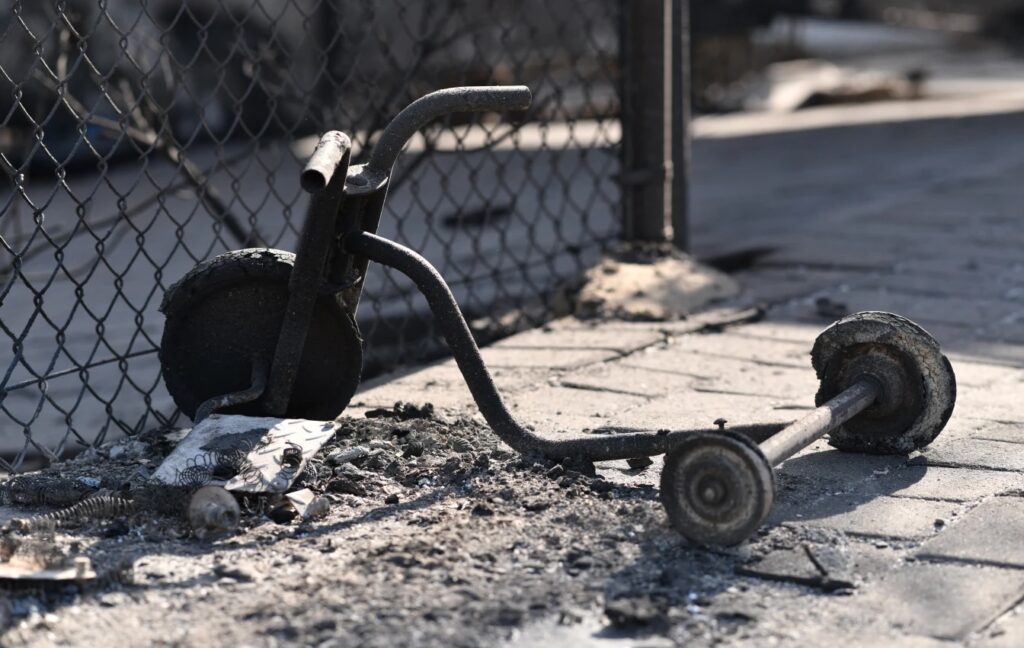 Read more about Concerned about fire contaminants in your soil? A new expert guide can help
Concerned about fire contaminants in your soil? A new expert guide can help
-
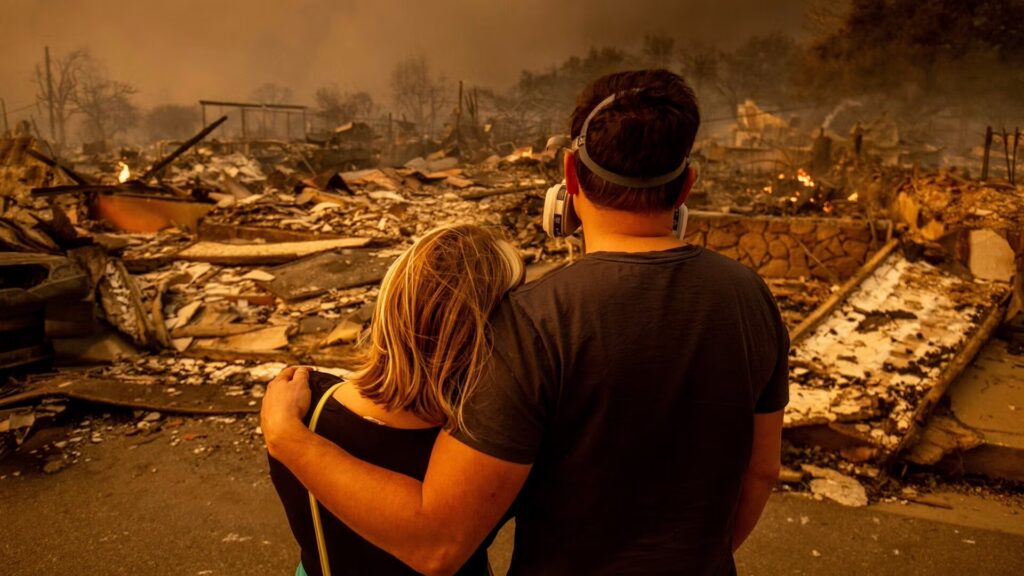 Read more about After the Palisades and Eaton fires, USC research offers new answers for communities as they rebuild
After the Palisades and Eaton fires, USC research offers new answers for communities as they rebuild